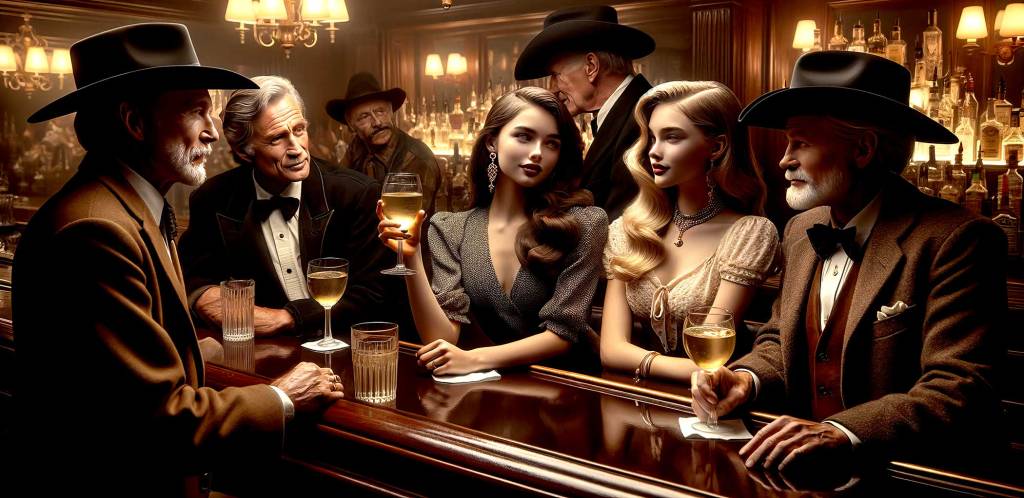
Young women, a young evening, and old tactics

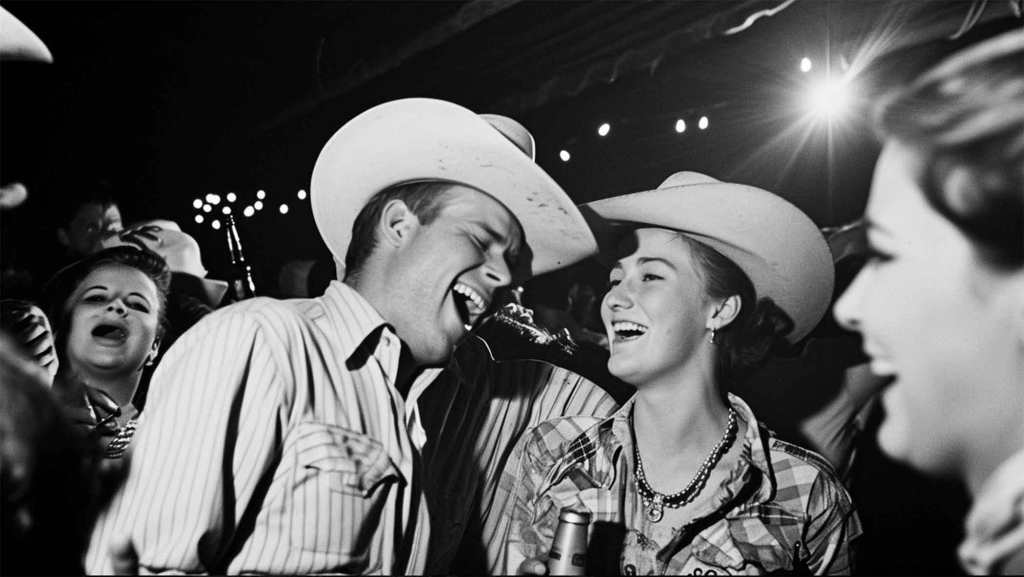
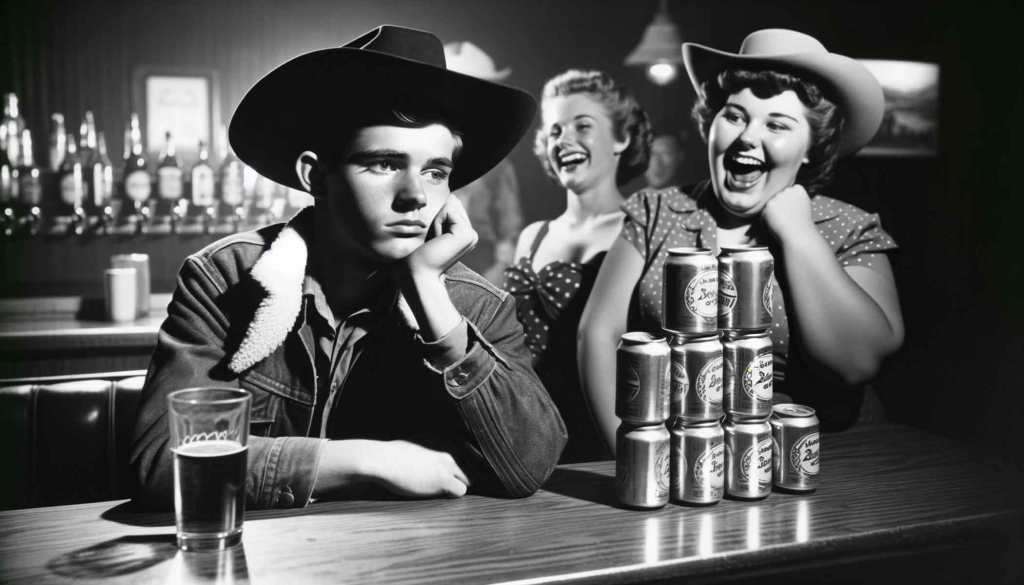
Two stunning young women sip white wine as they assess rich, older cowboys at the Brown Palace Hotel's Churchill Bar.

In the dimly lit Churchill Bar of the Brown Palace Hotel, Morgan and Debbree perched elegantly on their bar stools, sipped white wine, and engaged in their favorite pastime when the National Western Stock Show was in town: man-watching with a purpose.

The clock struck 6 p.m., and with each man who entered, they whispered assessments of looks, apparent wealth, and potential for an evening’s adventure.

Their game was interrupted as two men in black cowboy hats took seats beside them. One had a rugged charm, his eyes twinkling with mischief, while the other carried an air of quiet confidence. “Jack,” said the first with a warm smile, extending a hand. “And this is Bryce.”

Debbree, her eyes glinting with amusement, responded, “I’m Debbree, and this is Morgan. You boys look like you just rode in from the ranch.”

Jack chuckled, “Well, we might not have horses tied up outside, but we’ve got stories that’ll make you feel like you’ve been on a wild ride.”

Bryce leaned in, his gaze fixed on Morgan. “I bet we’ve got more than just stories to share. Maybe some experiences, too, if you’re interested.”

Morgan’s lips curved into a sly smile. “We’re all about new experiences. Aren’t we, Bree?”

“Absolutely,” Debbree said. “Especially those that involve a bit of adventure and … spontaneity.”

Jack raised an eyebrow. “Spontaneity? You ladies might just be in for a treat, then. Ever been to the Buckhorn Exchange?”

Morgan shook her head.

Bryce’s smile broadened. “It’s Denver’s oldest steakhouse. The kind of place where stories are as rich as the steaks. We’d love to show you.”

Debbree exchanged a glance with Morgan. The unspoken agreement was clear.

Text and photo copyright © 2024 L.T. Hanlon. All content in this post is fiction.

Secrets at altitude: The turbulent life of Buster Chander

An elderly man in a cowboy hat stares out the window of a Boeing 737.

Lawrence “Buster” Chander gazed blankly out the United Airlines Boeing 737 window, the vast, open sky mirroring the expanse of his life, which now teetered on the brink of collapse.

At nearly 80, Buster stood as a stalwart figure in Montana, revered for the success of Chander Ranch Beef, a legacy he had nurtured into an international brand. But as the plane cut through the clouds toward Denver, where the National Western Stock Show awaited, a specter from the past ensnared Buster’s mind.

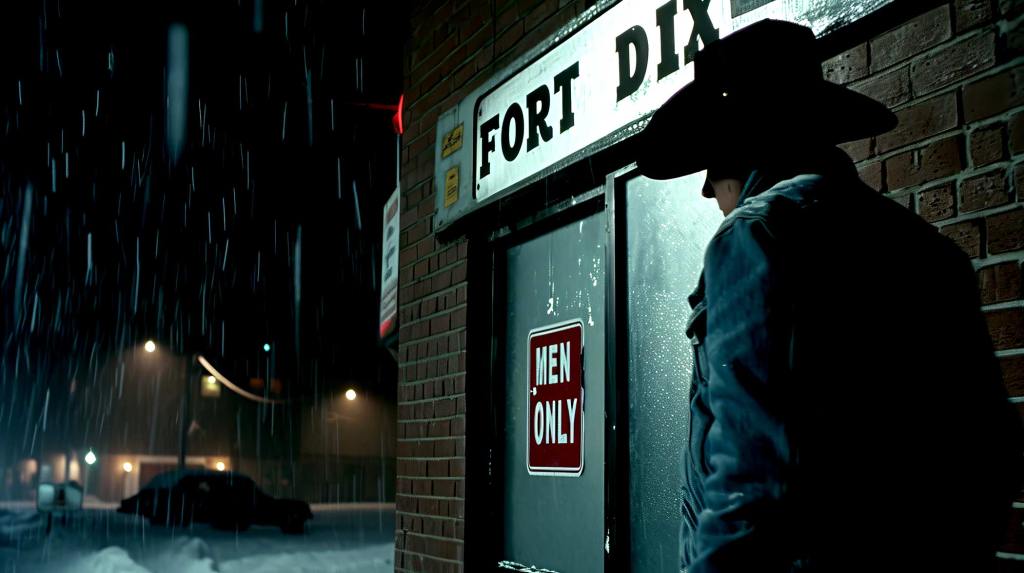
Forty-five years ago, a clandestine visit to Fort Dix, a gay bath in Denver, threatened to unravel his life when an anonymous blackmailer demanded $500 — which Buster paid without hesitation.

Now, after decades of silence, the blackmailer had returned and demanded $250,000 to avoid photographic evidence being shared online with the world.

The renewed threat loomed like a dark cloud, ready to expose Buster’s concealed truth to his wife, children, and grandchildren. His conservative family, woven into the fabric of Montana’s traditional values, would never understand. The revelation would not just break their hearts; it would shatter the very foundation of Chander Ranch Beef.

Buster didn’t have the money to ensure the silence. More crucially, he couldn’t bear the thought of tarnishing his family’s name and life’s work. He had lived in duplicity, always fearing this moment. Society’s views on homosexuality might have softened over the years, but not in the circles Buster inhabited. His family, his community, they wouldn’t see past the scandal.

As the plane descended into the Mile High City, a resolve hardened within Buster, and by the time he stepped off the plane, his decision was irrevocable. The price of silence had become too steep and the cost of revelation too devastating.

Text and photo copyright © 2024 L.T. Hanlon. All content in this post is fiction.
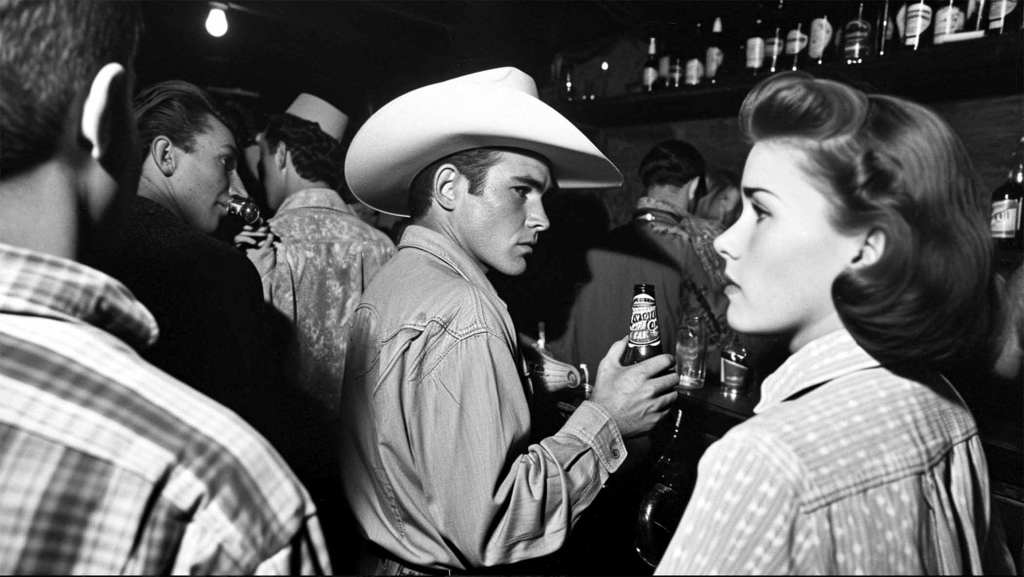
Uncle Pete promises to show his nephew a good time

Dear Ben,

Hey there, kiddo! Just got wind of the email your mom sent you. Don’t let it ruffle your feathers too much.

You know how my older sister is – always thinking she’s the Cattle Queen of Montana! I swear, if there was a crown for that, she’d wear it to bed. But hey, her heart’s in the right place, even if she sometimes comes off as a bit of a snob.

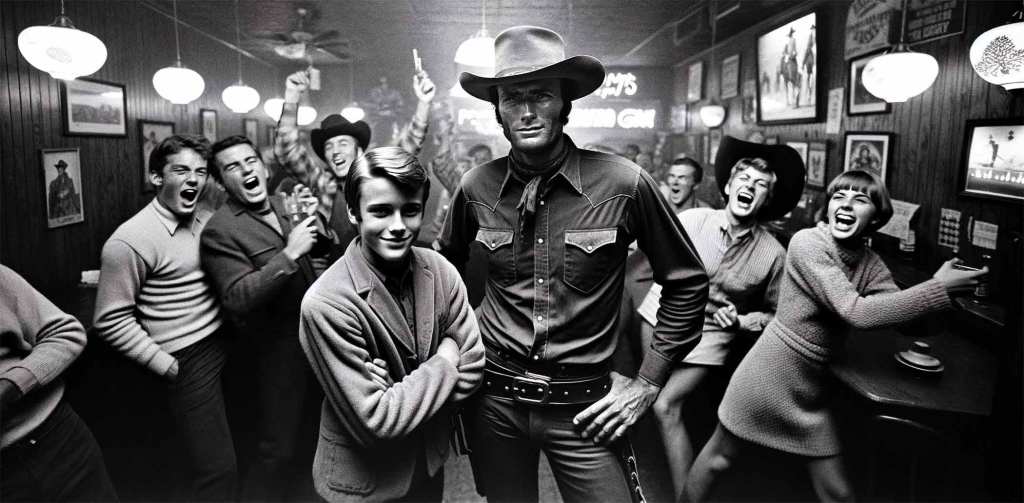
Check out these photos from our family’s trips to the National Western Stock Show over the years. Man, you won’t believe some of the antics we got up to.

And about the Stock Show – I’ve got your back. I’ll make sure you get to do plenty of wild and crazy stuff. Why? Because I’m celebrating my D-I-V-O-R-C-E! That’s right, I’m officially a free man, and what better way to celebrate dumping a heifer than riding a filly?

So, chin up, Ben. We’re going to have a blast this year, just like the old days. I’ll make sure of it.

Yer Uncle Pete

Text and photo copyright © 2024 L.T. Hanlon. All content in this post is fiction.
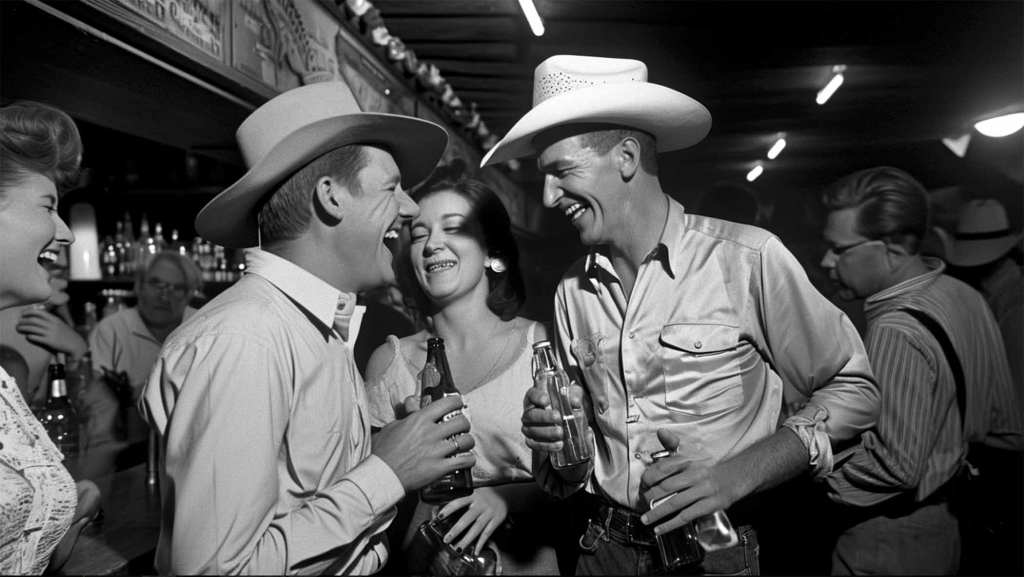
I saw what you did, and I know who you are

Late on a snowy night, a young cowboy considers entering a business whose sign reads "Fort Dix - Men Only."

January 5, 1979

Dear Larry,

It has come to my notice that last Saturday night, you visited a certain private establishment. My knowledge of this is precise and substantiated with photographic evidence.

To ensure these pictures remain unseen by your family, I require $500 in cash within the next 24 hours.

Expect a message at your hotel tomorrow with further instructions.

Sincerely,

Someone who knows

Text and photo copyright © 2024 L.T. Hanlon. All content in this post is fiction.
Snap the small stuff: Everyday life needs a close-up

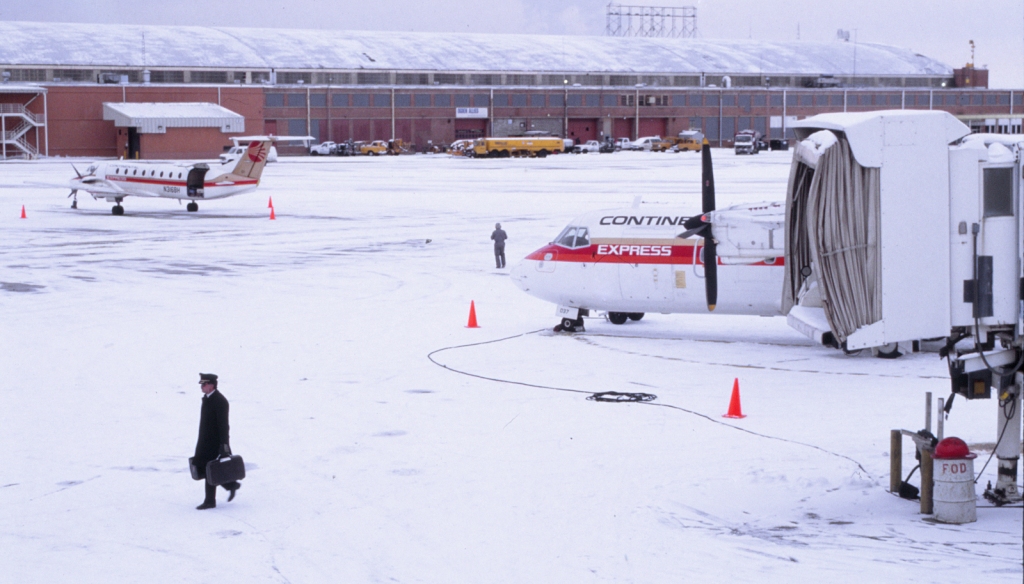
A photo taken in 1991 at Denver's Stapleton International, which closed in 1995. It shows a pilot trudging across a snow-covered apron. He's carrying his flight cases and two Continental Express commuter prop planes are in the background.
I photographed this scene at Denver’s now-closed Stapleton International Airport in 1991.

Many years ago, I went to a presentation about scrapbooking and journal-keeping given by a passionate historian. Sure, she said to document major social events, but remember to snap pictures of your everyday environment.

She mentioned something that got me thinking: Ever since Route 66 sprung into being, it’s been incessantly photographed. Despite being supplanted by interstates, people still take pictures of the Mother Road.

Yet, the historian wondered, who is photographically documenting the interstate highways?

She suggested that we spend at least a day each year going around our neighborhoods, taking black-and-white photos of things that seem as ordinary as dirt. Why use black and white film? Its negatives are archival and, unlike digital images, will not depend on possibly ephemeral technology.

It’s even a good idea to archive digital images on film.

The historian had some specific stuff she thought we should capture. You’ll probably chuckle — I know I did — but she was all about telephone poles, transformers, transmission lines, you name it.

But when you think about it, this makes sense. These things are mundane and ordinary, but they’ll be as rare as a dial-up modem one day. Tech moves fast, and soon all those cables and poles will be tucked away out of sight, underground. When that day comes, a humble photo collection becomes a precious historical record.

The point hit home for me in the early 1990s when I was living in Denver. I decided to photograph the soon-to-be-closed Stapleton International Airport. Man, did I pick a day to do it — it was snowing cats and dogs. But I’m glad I braved the cold. The snowfall added a certain magic to my photos. They aren’t just pictures anymore. They’re slices of history, proof that an era once existed.

Regular stuff only stays boring for a while because once something’s gone, it’s history.