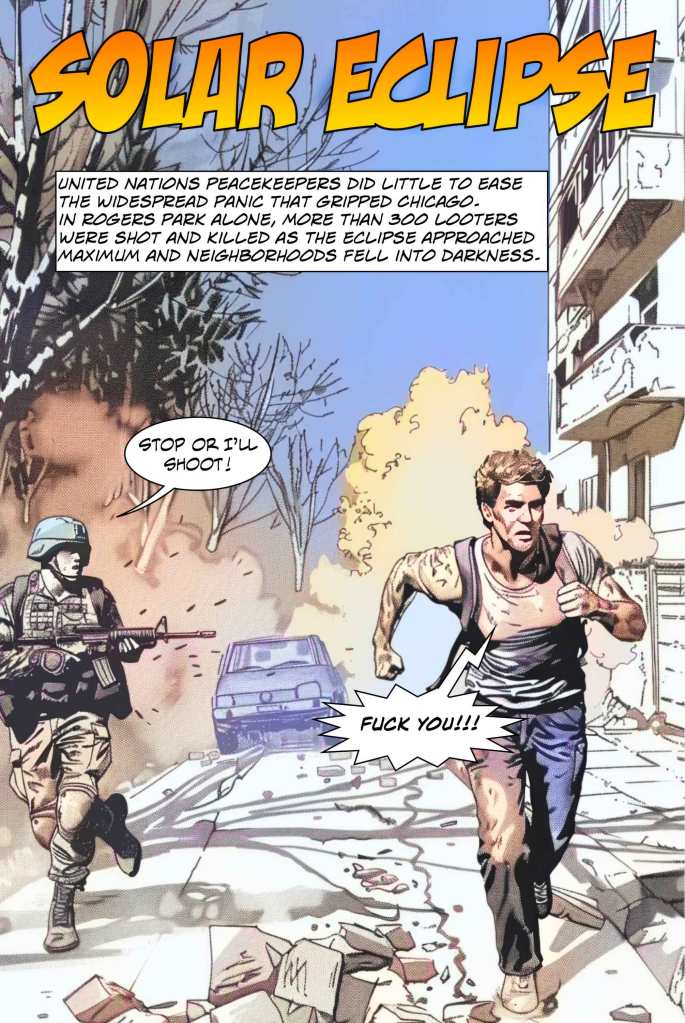
Wild in the streets of Chicago during solar eclipse?

As Chicago grapples with winter, the performance of Chicago Transit Authority rail service during challenging weather conditions has again been scrutinized.
Despite the CTA’s extensive preparations for winter, including implementing track switch heaters, equipping railcars with sleet scrapers and snowplow blades, and deploying special “sleet trains” to remove snow and ice, there have been disruptions in service.
The most notable was the temporary suspension of the Orange Line service due to a derailment. This highlights the ongoing struggle of the CTA to maintain seamless operations during extreme weather despite their evident efforts to prepare and respond to these challenges.
The CTA’s snow-removal process, crucial for ensuring safe and accessible transit, involves a coordinated effort across different entities. While the CTA is responsible for clearing its properties, including rail stations, bus turnarounds, and transit centers, clearing bus stops and shelters often falls under the jurisdiction of local municipalities or adjacent property owners. This division of responsibility can sometimes lead to confusion and frustration among transit riders, especially when areas leading up to CTA properties are inadequately cleared.
Amid these operational challenges, the CTA continues to emphasize its affordability, positioning itself as a budget-friendly transportation option for Chicagoans. With various payment options and unlimited ride passes, the CTA seeks to offer an economical alternative to private transportation, especially for events and regular commutes across the city.
Issues faced by the CTA, particularly in weathering Chicago’s harsh winters, raise questions about the adequacy of funding, staffing, and overall infrastructure investment.
This is perplexing considering Chicago’s political alignment and historical significance, being a stronghold of the Democratic party and the home of a two-term president. The juxtaposition of Chicago’s political clout and the CTA’s struggles points to broader issues in urban infrastructure and public transportation funding.
Why, in a city that has been a significant player in national politics, does its public transportation system seem perpetually caught in a cycle of underfunding and underperformance, especially in times of need such as during severe weather events”
Sure, the CTA could improve by ensuring that all entities responsible for snow removal are perfectly synchronized — but this is beyond the agency’s power.
Therefore, it may be time for a comprehensive review of CTA funding, resources, and operational strategies, particularly in light of the recurring issues during inclement weather. Such a review could focus on enhancing coordination among various municipal entities for more effective snow removal and exploring technological innovations for better winter weather preparedness.
Further, it’s worth questioning why the CTA struggles with these recurring issues despite Chicago’s political influence. This situation could reflect a broader pattern in urban politics, where local issues like public transportation often don’t receive the attention or funding they require, despite the city’s significant role on the national stage.
In a city renowned for its political history and contributions, the state of its public transportation system seems incongruous. This paradox might suggest a need for a renewed focus on local infrastructure issues, ensuring that the city’s transportation network is robust, resilient, and adequately funded to meet the needs of its residents, regardless of the weather or other challenges.
The CTA’s struggle against Chicago’s harsh winters is not just a matter of inconvenience; it reflects deeper issues in urban infrastructure, funding, and political priorities. As residents face the brunt of these challenges, it becomes increasingly clear that a strategic overhaul may be necessary to bring about the much-needed improvements in the city’s public transportation system.

Well, folks, it’s almost time to roll out the red carpet — scratch that, checkered carpet — for the NASCAR Chicago Street Race.
Isn’t it grand? This weekend, dozens of good ol’ internal combustion chariots will roar through our streets, their finely tuned engines belching plumes of hydrocarbons like there’s no tomorrow.
Folks, Chicago’s air quality this week is already making the Great Chicago Fire of 1871 seem like a fondly remembered barbecue. The smoke might have been thick back then, but at least it wasn’t laced with enough pollutants to choke a horse.
And yet, Mayor Brandon Johnson, no stranger to stepping in front of a camera and spouting the latest buzzwords about climate action and environmental protection, seems to think this is all dandy.
“We must take drastic action to mitigate these threats and ensure that every Chicagoan in every neighborhood has the resources and protection they need to thrive,” he said the other day about our malodorous Canadian air.
A powerful statement, wouldn’t you say? I nearly teared up at the sincerity.
I couldn’t help but notice that the mayor’s definition of “drastic action” doesn’t seem to extend to doing anything drastic like restricting vehicle use during our current eco-crisis or nixing the NASCAR shindig.
Here we have our city’s highest official lecturing us about the environment while hosting an event that’ll contribute more to the air pollution problem in a single afternoon than my dear old Aunt Edna’s ’79 Pinto ever could.
Sure, I get it. NASCAR brings in the bucks. The tourist dollars flow. But at what cost? We’ve got kids in this city whose lungs have never known clean air — inside or outside — and we’re inviting in a pack of revved-up gas guzzlers.
So, Mr. Mayor, if your progressive rhetoric means anything, why not take a real stand?
Cancel the NASCAR Chicago Street Race.


Oops! Never mind my comment below about the birthyear of Gwendolyn Brooks’ Hermes Rocket. I totally misread that as “1954.” It actually is from 1964 — and I wish I were of a similar vintage!


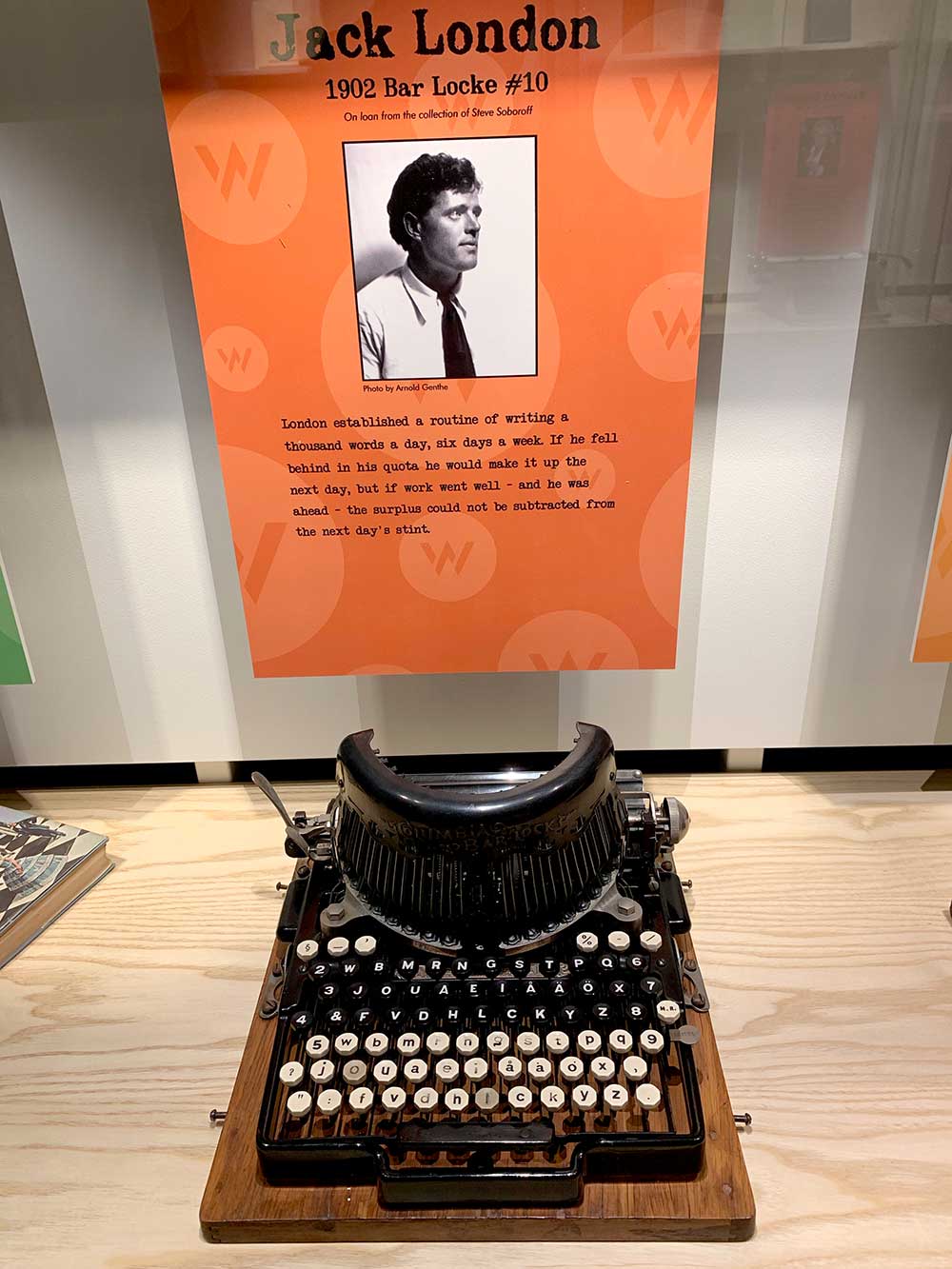
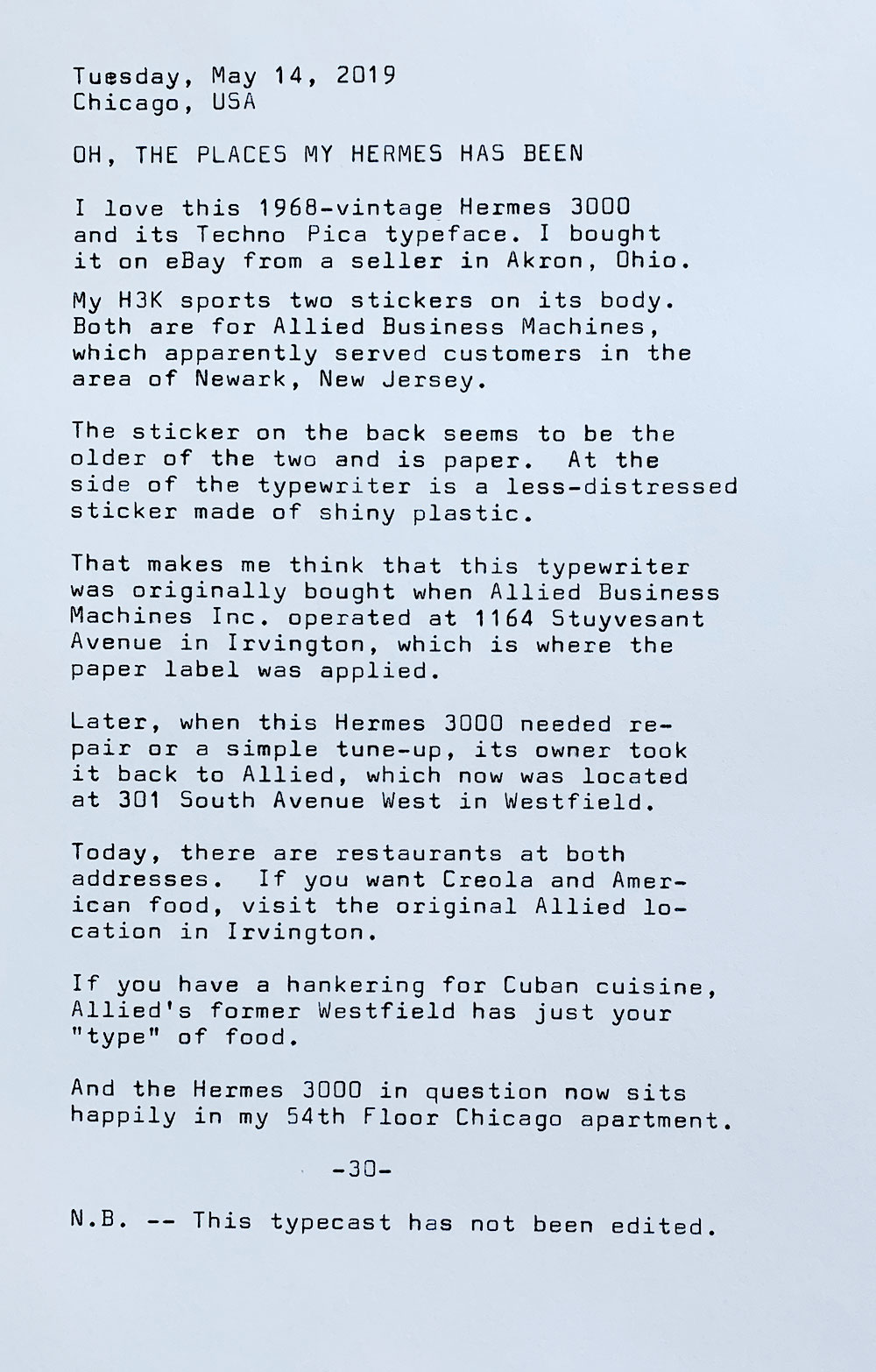

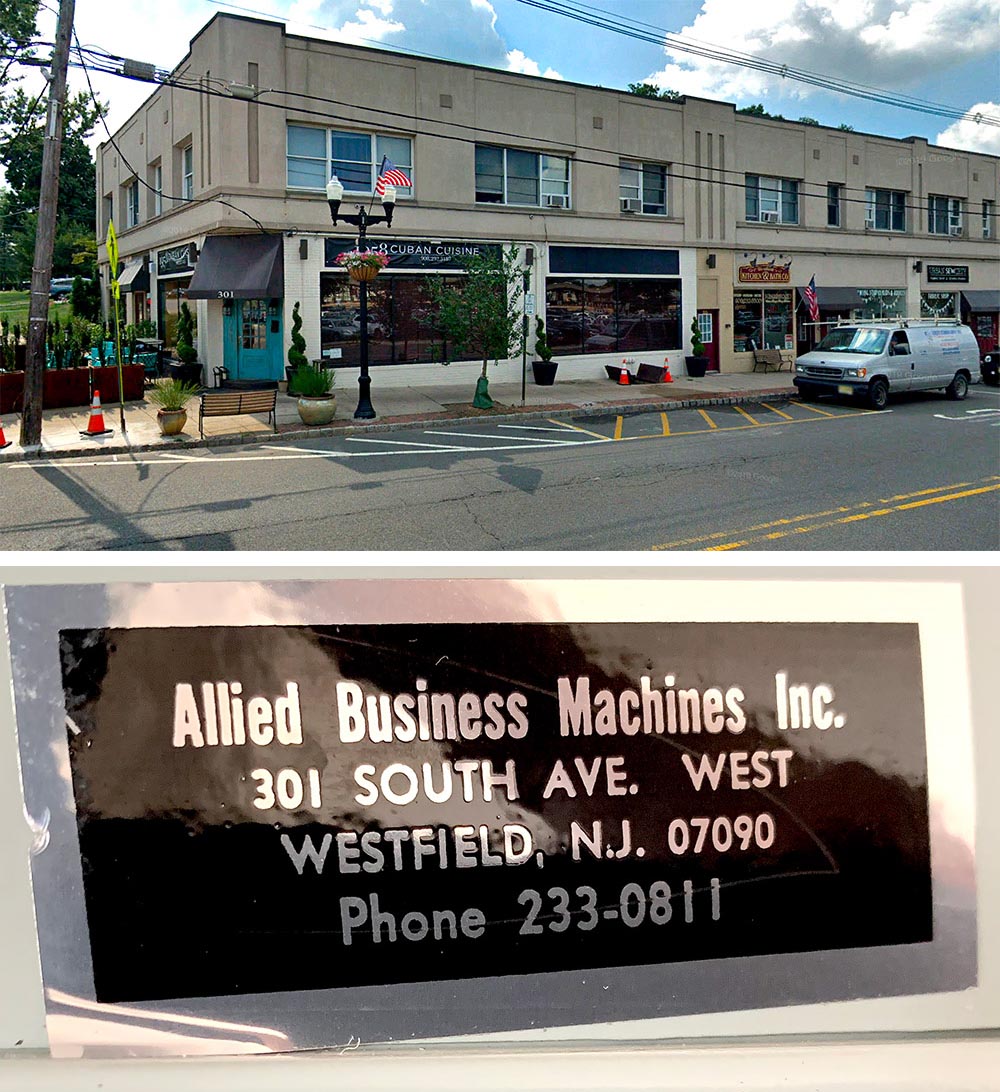
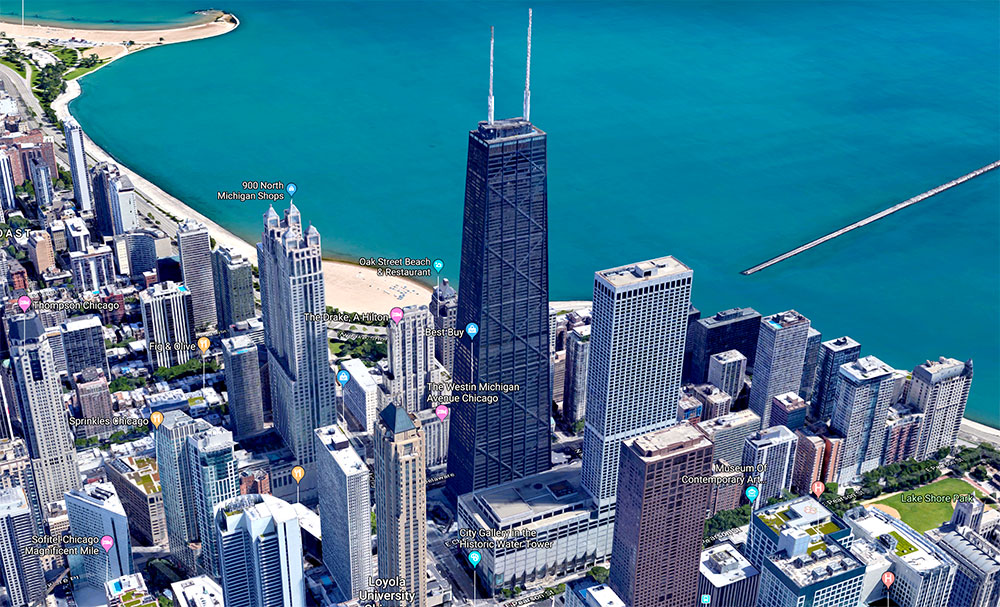
Photos of the typewritten page and sticker labels are by me; other images in this post are copyright © Google Inc.
 L.T. Hanlon