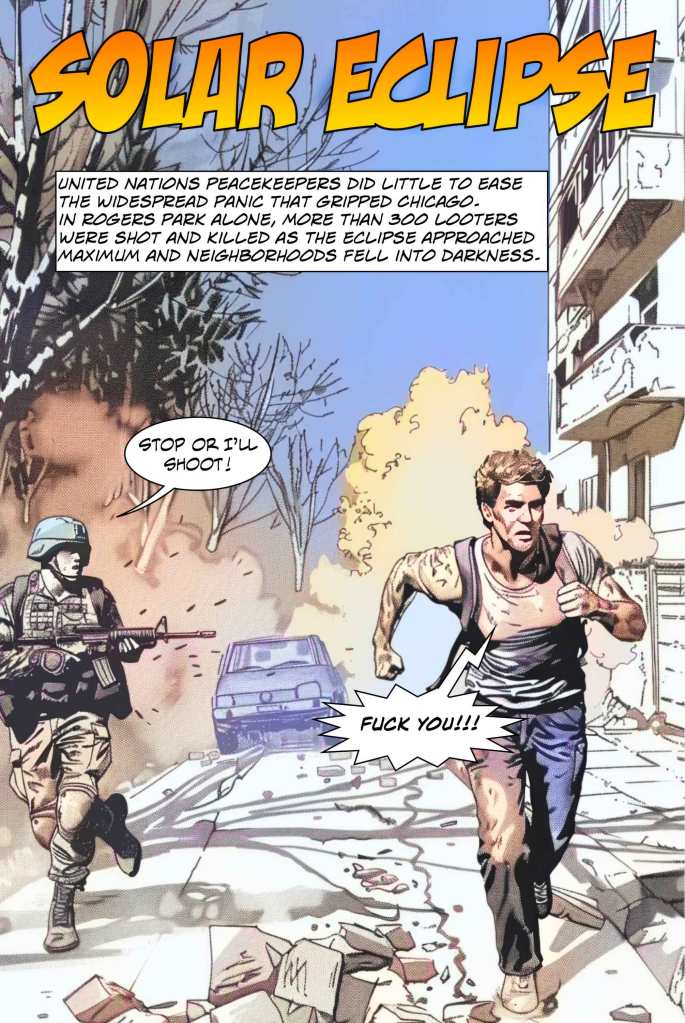
Residents of Starkton, Colorado, never suspected that unseen hands had orchestrated months of inconveniences and strange coincidences. Read “Agenda 21 Comes to Colorado” next month.

Residents of Starkton, Colorado, never suspected that unseen hands had orchestrated months of inconveniences and strange coincidences. Read “Agenda 21 Comes to Colorado” next month.
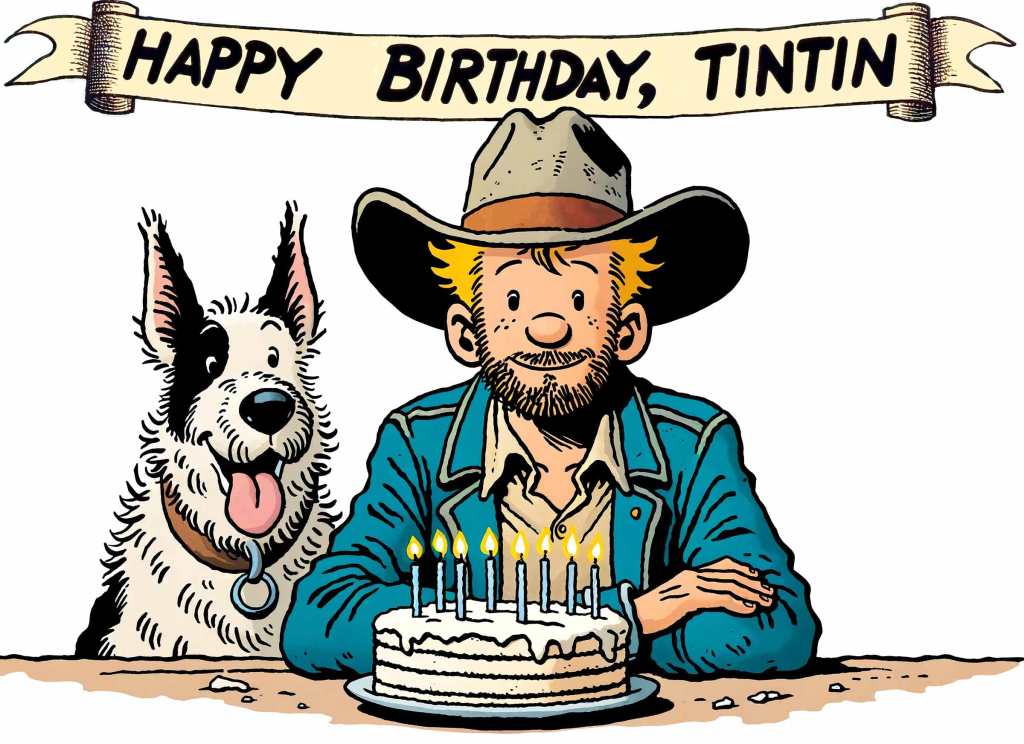
As a kid who always had his head in the clouds, dreaming of airplanes, rockets, and mysteries that span the globe, Tintin was more than just a comic character to me; he was a gateway to a world of endless adventure. Today, on January 10, 2024, we celebrate an incredible 95 years since Hergé introduced Tintin to the world in 1929, marking a legacy of storytelling that has captivated generations.
From the very first story, “Tintin in the Land of the Soviets,” to the lunar escapades in “Explorers on the Moon,” each comic strip was a window into Hergé’s brilliant mind, filled with foreign intrigue and mysterious plots. As a young aviation enthusiast, I was especially drawn to stories like “Flight 714 to Sydney,” where Tintin’s adventures took to the skies, combining my love for airplanes with the thrill of adventure.
Hergé’s artistry was another aspect that set Tintin apart. His use of clear line style – or “ligne claire” – brought a unique clarity and expressiveness to the comics. The vivid, detailed backgrounds and the carefully researched settings make every panel a delight to explore. The level of detail is astounding, from the intricacies of the rocket in “Destination Moon” to the bustling streets of fictional countries.
The 2011 Steven Spielberg movie “The Adventures of Tintin” was another milestone, bringing these beloved characters to life with stunning 3-D animation and gripping storytelling. The film, for me, is a perfect homage to the original comics, especially with the clever nod to Hergé in the opening scene – a delightful treat for fans. The movie captures the essence of Tintin – the unyielding spirit of adventure, the tight-knit camaraderie, and the sheer fun of delving into a good mystery.
Tintin’s stories are timeless. They transcend generations, appealing to the sense of wonder in all of us. Whether uncovering ancient artifacts in “The Seven Crystal Balls” or foiling sinister plots in “The Blue Lotus,” each adventure is a testament to Hergé’s genius in storytelling and art.
As we celebrate 95 years of Tintin, I can’t help but wish for another 95 years of his adventures. Tintin has been more than just a character in a comic book for me; he’s been a companion in my own adventures, a symbol of curiosity and the relentless pursuit of truth and justice.
Here’s to Tintin, the quintessential adventurer, and the countless hours of delightful escapism he has provided. May his stories continue to inspire and entertain for many more years to come.
Text and illustration copyright © 2024 L.T. Hanlon.

It’s an age-old debate in art and creativity: what is true originality? Every artist has tapped into universal themes, stereotypes, and structures that resonate with audiences, from Shakespeare to Spielberg. As we dive into the 21st century, a new contender has entered the arena—Artificial Intelligence. As writers and creators turn to AI for inspiration and even content generation, skeptics raise eyebrows. But is there really much difference between human-generated clichés and those constructed by algorithms?
Let’s consider popular genres.
Despite the studio, superhero movies often orbit around a protagonist with a tragic backstory, a formidable antagonist, a colossal battle, and a resolution.
Similarly, romance novels are interwoven with familiar tropes: enemies to lovers, hidden royalty, or the classic will-they-or-won’t-they.
Spy thrillers? A charismatic lead, global stakes, high-octane chase sequences, double agents, and plot twists.
Sounds formulaic? That’s because it is.
And it’s not just limited to literature and film. Pop songs have their share of predictable patterns. Inevitably using Auto-Tune, sometimes called the “Cher effect,” gives vocals a distinct robotic sound.
And can we ever have enough of the word “baby” in our love songs? A college instructor told us that if we ever wanted to know how “baby” is overused in song lyrics, substitute the words “boat dock.” She was joking, but now, 50 years later, I still hear . . .
“Be My Boat Dock”
“Boat Dock Love”
“Love to Love You Boat Dock”
. . . well, you get the idea.
What we’re encountering isn’t a deficit of originality but a reflection of our collective consciousness — a set of stories, beats, and patterns that resonate universally. If these patterns are deeply embedded, why shouldn’t an AI designed to recognize and emulate patterns produce something similar?
AI’s ability to create isn’t about replacing human ingenuity. It’s about acknowledging that much of what we consume and call “original” is often derived from age-old patterns. If a machine can replicate those patterns, it doesn’t demean our art — it merely reflects our preferences.
To dismiss AI-generated content as “unoriginal” means confronting an uncomfortable reality about our tastes and patterns.
Instead of shunning silicon assistance, it may be time we embrace it. After all, whether it’s Shakespeare, Spielberg, or an AI, aren’t we all just looking for a good story?
By the way, that “Calvin and Hobbes” strip was shared with me many years ago by a famous comics artist. We got a good laugh of it — but I doubt either of us predicted AI’s coming impact.
 L.T. Hanlon