The recent incident involving U.S. Defense Secretary Lloyd Austin’s hospitalization and the subsequent lack of timely communication with President Joe Biden and other key officials raises serious concerns about transparency and protocol within the Pentagon.
Secretary Austin was hospitalized following complications from unexplained “elective surgery” on New Year’s Day, but President Biden and other senior leaders were not informed until several days later.
This lack of communication occurred during heightened international tensions and military involvement, making the absence of the defense secretary, without proper delegation of his duties, a national security concern.
The delay in notifying senior administration officials about Austin’s hospitalization was partly attributed to the illness of his chief of staff. However, this explanation does not fully account for why alternative measures were not taken to ensure appropriate communication with the White House and other senior officials.
Despite the incident, there is currently no indication that Secretary Austin will be removed from his position. He is deeply involved in key foreign policy challenges and maintains a close relationship with President Biden.
The Pentagon Press Association criticized the secrecy surrounding Austin’s hospitalization, noting that such information is critical for public awareness, especially during times of international conflict and military engagement. The incident has led to bipartisan calls for greater transparency and accountability within the Pentagon, with both Republican and Democratic leaders expressing concerns over the delay in disclosing Austin’s condition.
While Austin has resumed his duties and is reportedly in good spirits, the incident highlights a significant lapse in communication protocols that could have implications for national security and public trust in military leadership.
In light of these events, there are pressing questions regarding the Pentagon’s decision-making process, particularly by those who deemed it acceptable to withhold information about the secretary’s condition from the president for several days.
This incident also raises concerns about the effectiveness of the Washington press corps in uncovering and reporting such significant events promptly. The lack of immediate reporting on this issue suggests potential shortcomings in the media’s ability to hold public officials accountable, especially in contexts where transparency is crucial for national security and public trust.
Given these considerations, it is reasonable to suggest an investigation into the circumstances that led to this lapse in communication and to review the protocols for informing key officials and the public about the health status of high-ranking national security leaders.
Such an inquiry would not only address the specific incident involving Secretary Austin but could also lead to improvements in communication and transparency practices within the Pentagon and the broader U.S. government.
Lawrence “Buster” Chander gazed blankly out the United Airlines Boeing 737 window, the vast, open sky mirroring the expanse of his life, which now teetered on the brink of collapse.
At nearly 80, Buster stood as a stalwart figure in Montana, revered for the success of Chander Ranch Beef, a legacy he had nurtured into an international brand. But as the plane cut through the clouds toward Denver, where the National Western Stock Show awaited, a specter from the past ensnared Buster’s mind.
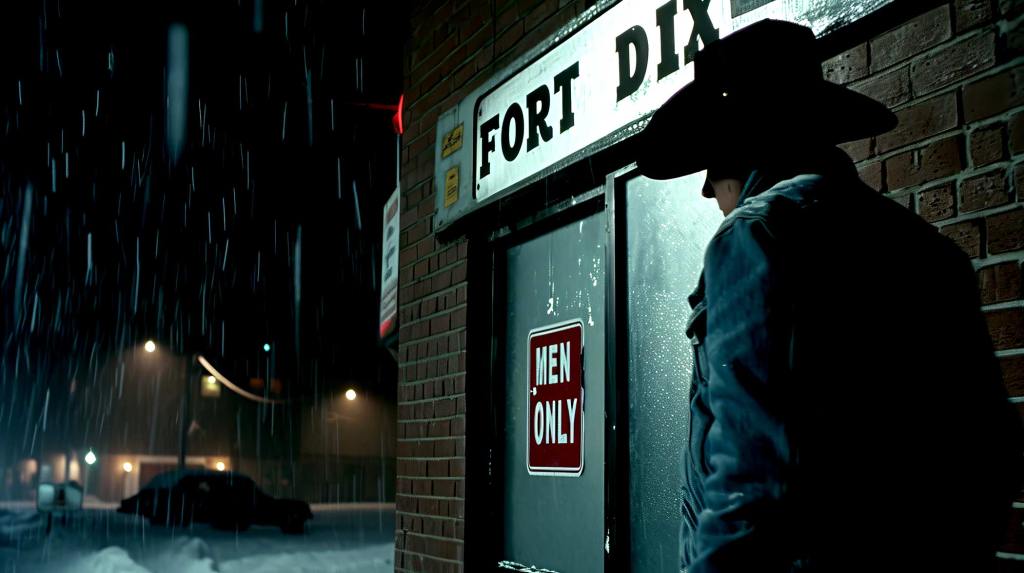
Forty-five years ago, a clandestine visit to Fort Dix, a gay bath in Denver, threatened to unravel his life when an anonymous blackmailer demanded $500 — which Buster paid without hesitation.
Now, after decades of silence, the blackmailer had returned and demanded $250,000 to avoid photographic evidence being shared online with the world.
The renewed threat loomed like a dark cloud, ready to expose Buster’s concealed truth to his wife, children, and grandchildren. His conservative family, woven into the fabric of Montana’s traditional values, would never understand. The revelation would not just break their hearts; it would shatter the very foundation of Chander Ranch Beef.
Buster didn’t have the money to ensure the silence. More crucially, he couldn’t bear the thought of tarnishing his family’s name and life’s work. He had lived in duplicity, always fearing this moment. Society’s views on homosexuality might have softened over the years, but not in the circles Buster inhabited. His family, his community, they wouldn’t see past the scandal.
As the plane descended into the Mile High City, a resolve hardened within Buster, and by the time he stepped off the plane, his decision was irrevocable. The price of silence had become too steep and the cost of revelation too devastating.
DENVER — Thanks to a typo, a bull semen distributor’s T-shirts are the surprise marketing hit of the National Western Stock Show.
Eric Cream, CEO of Cream of Bull Inc., a cattle genetics and artificial insemination business, said a T-shirt printer misspelled his company’s name as “Cram a Bull.”
“Our employees didn’t notice until they’d already passed out a couple hundred,” Cream said. Seeing the positive response, Cream ordered thousands more of the uniquely misprinted shirts.
The company’s slogan on the back — “Get a load of my winning semen!” — only added to the shirts’ popularity.
“These things are a chick magnet,” declared bull rider Toby Clunt Jr.
The National Western Stock Show, now in its 118th year, annually draws over 700,000 visitors. The vibrant celebration of the Western lifestyle features rodeos, livestock exhibitions, and agricultural trade and continues through Jan. 21.
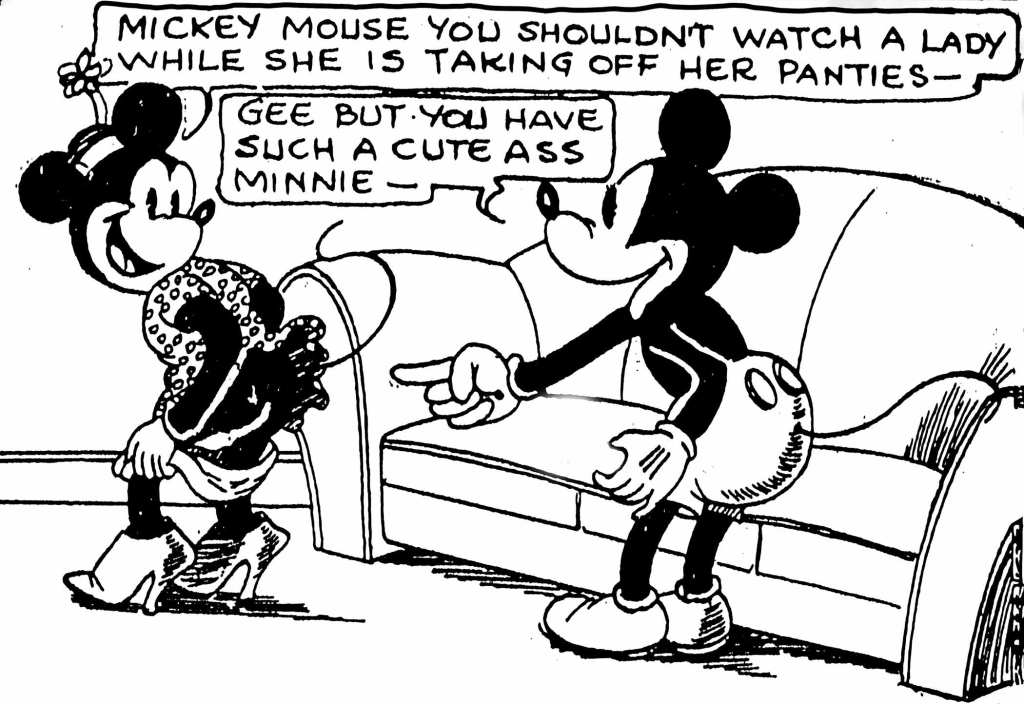
Even in the 1930s, this copyright-violating Tijuana Bible relied upon established Disney branding to make its vulgar humor effective.
In the grand artistic and cultural evolution scheme, the 1928 versions of Mickey and Minnie Mouse entering the public domain seem significant. However, upon closer examination, it becomes apparent that this transition is unlikely to have the revolutionary impact that some anticipate.
To understand why, we need only look at the history of how creativity has interacted with public domain characters, particularly in the case of dinosaurs.
First, let’s address the primary concern: will Mickey and Minnie’s entry into the public domain unleash a wave of creative and innovative reinterpretations? The short answer is probably not. While it’s true that making these characters freely available for use could, in theory, lead to a surge of outsider creativity, the reality is often quite different. The case of dinosaurs in creative media serves as an instructive example.
Dinosaurs, those magnificent creatures that have captured the imagination of generations, have long been a part of the public domain. Anyone can create a dinosaur-based story, film, or art piece without worrying about copyright infringement.
Yet, despite this freedom, most dinosaur-related content has been, to put it mildly, less than inspiring. Sure, there have been a few standout exceptions, but for the most part, the creative use of dinosaurs has been limited to formulaic storylines and stereotypical representations. Why? Because creativity isn’t just about having access to characters or concepts; it’s about what you do with them.
This brings us back to Mickey and Minnie. These characters are deeply ingrained in the cultural fabric and are closely associated with the Disney brand. While they will be available for public use, it’s unlikely that many creators will venture far from the established portrayals.
Even shocking portrayals will depend on this framing.
The characters carry a legacy and a set of expectations that most creators are likely to adhere to, consciously or not. Moreover, Disney still holds the rights to the later versions of these characters, which means that while the 1928 incarnations are fair game, anything that deviates too significantly from that early depiction could still be subject to copyright claims.
Furthermore, the public’s reception of new takes on these iconic characters is another factor to consider. Audiences have a deep-rooted perception of who Mickey and Minnie are, and drastic deviations from this might not be well-received. This creates a natural barrier to creativity, as creators often aim to produce work that resonates with audiences.
The example of dinosaurs in the creative world illustrates this point clearly. Just as the unrestricted use of dinosaurs hasn’t led to a significant outpouring of innovative content, the same will likely be true for these beloved Disney characters.
So, for those worrying about the potential implications of this event, there’s likely no cause for alarm. The legacy of Mickey and Minnie Mouse, as shaped by Disney, will continue to dominate our cultural understanding of these characters, regardless of their public domain status.
Hey there, kiddo! Just got wind of the email your mom sent you. Don’t let it ruffle your feathers too much.
You know how my older sister is – always thinking she’s the Cattle Queen of Montana! I swear, if there was a crown for that, she’d wear it to bed. But hey, her heart’s in the right place, even if she sometimes comes off as a bit of a snob.
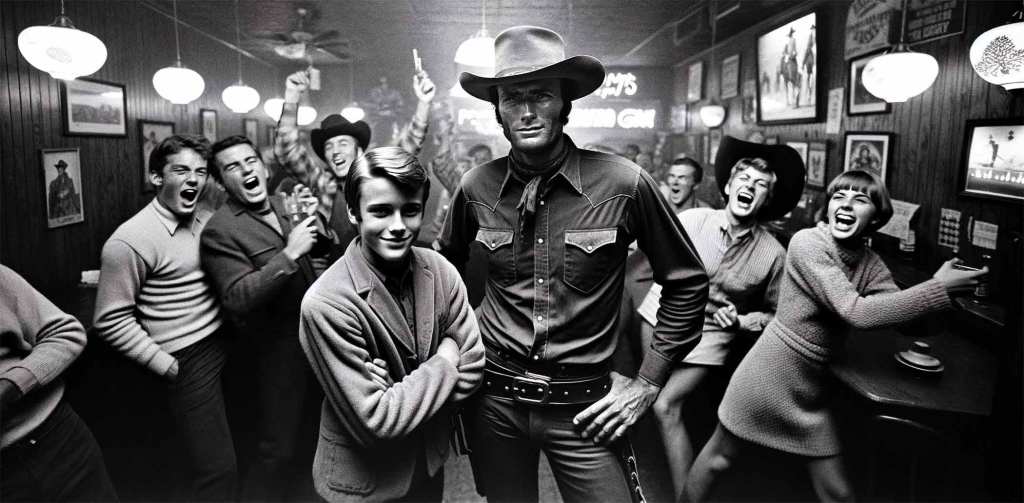
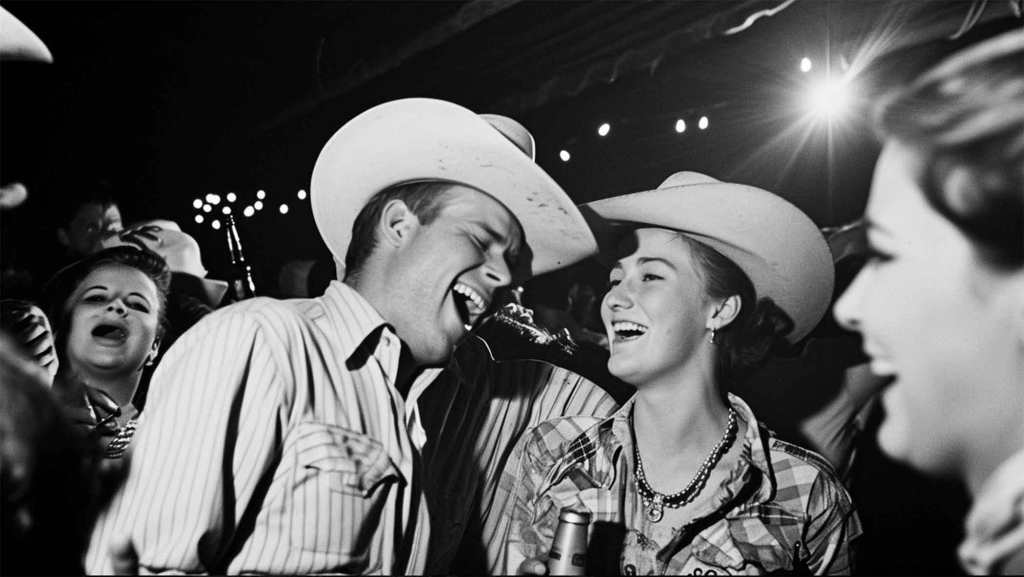
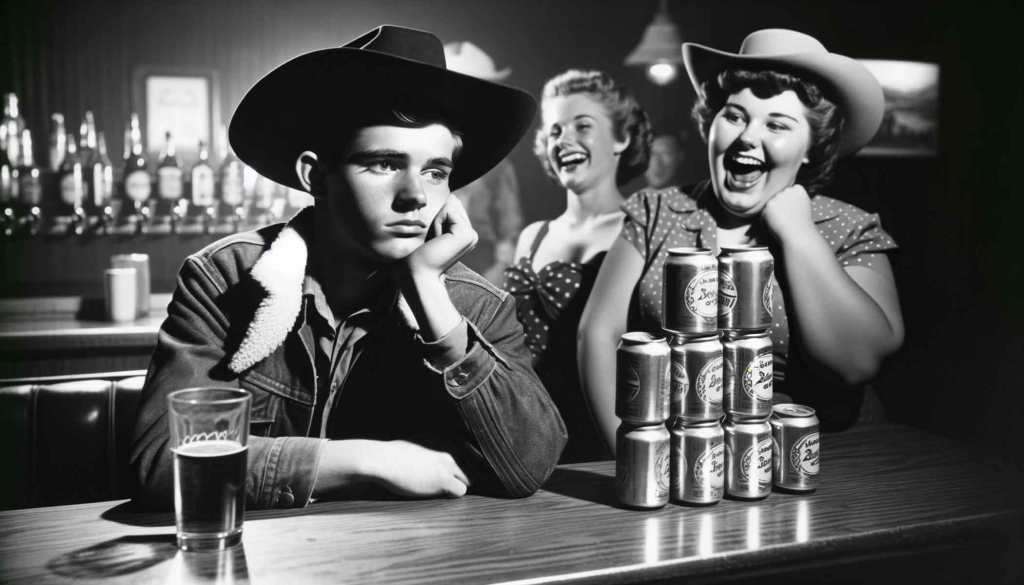
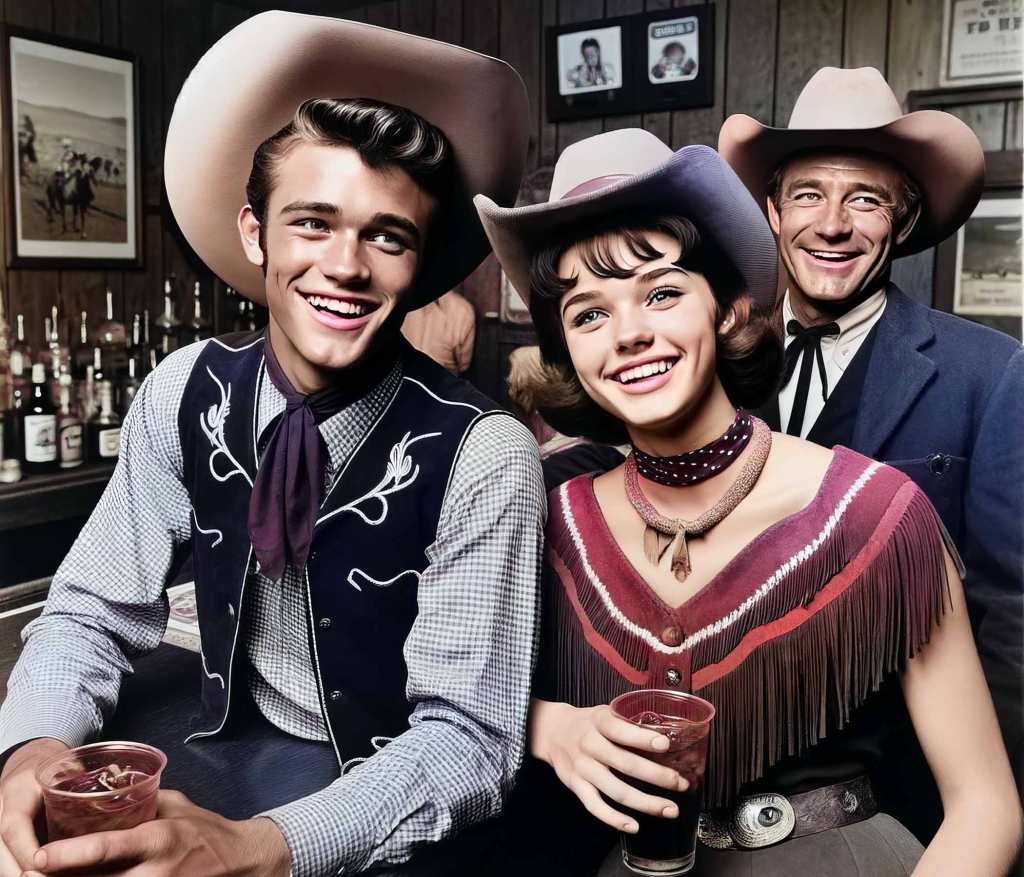
Check out these photos from our family’s trips to the National Western Stock Show over the years. Man, you won’t believe some of the antics we got up to.
And about the Stock Show – I’ve got your back. I’ll make sure you get to do plenty of wild and crazy stuff. Why? Because I’m celebrating my D-I-V-O-R-C-E! That’s right, I’m officially a free man, and what better way to celebrate dumping a heifer than riding a filly?
So, chin up, Ben. We’re going to have a blast this year, just like the old days. I’ll make sure of it.
It has come to my notice that last Saturday night, you visited a certain private establishment. My knowledge of this is precise and substantiated with photographic evidence.
To ensure these pictures remain unseen by your family, I require $500 in cash within the next 24 hours.
Expect a message at your hotel tomorrow with further instructions.
I came across the email you sent Travis. Frankly, I’m disappointed. Sharing an old photo that could mischaracterize our family as lowlifes and whiskey ticklers is disrespectful and far from the truth.
And calling Great-Grandma Peg a “hottie”? That’s not the kind of language or attitude we appreciate in this family.
Remember, the National Western Stock Show is a family tradition steeped in dignity. It’s not a venue for social abandon or cowboy carousing.
Please reconsider how you portray our family, especially in public or with friends. If you can’t do this, I’m afraid you’ll find your experience at the Stock Show more restricted than you’d like.
Let’s keep things appropriate and respectful.
Love,
Mom
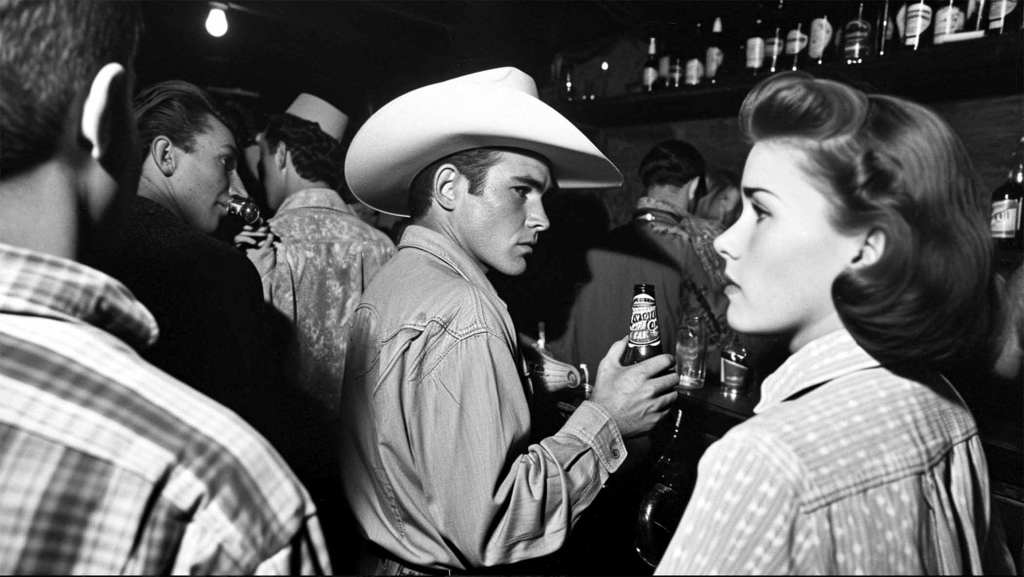
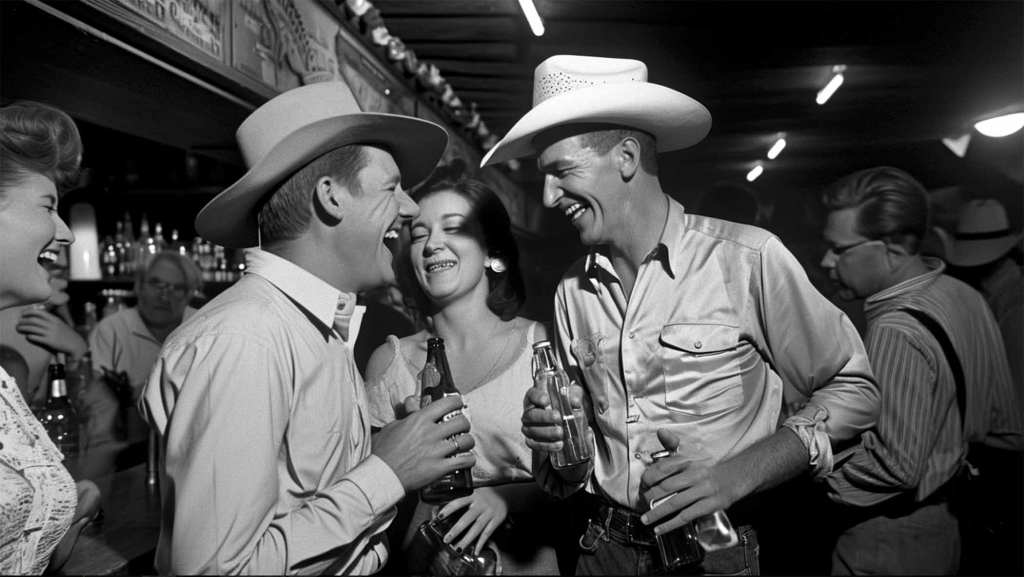
P.S. — I’m attaching a photo from the Inter-Mountain Stockmen’s Association 1954 mixer at the Brown Palace Hotel that better illustrates how we kicked up our heels at the Stock Show. That’s Roy and Glorybelle Clunt. In the back is Mato County Sheriff Ed Richardson. Feel free to share this.






 L.T. Hanlon