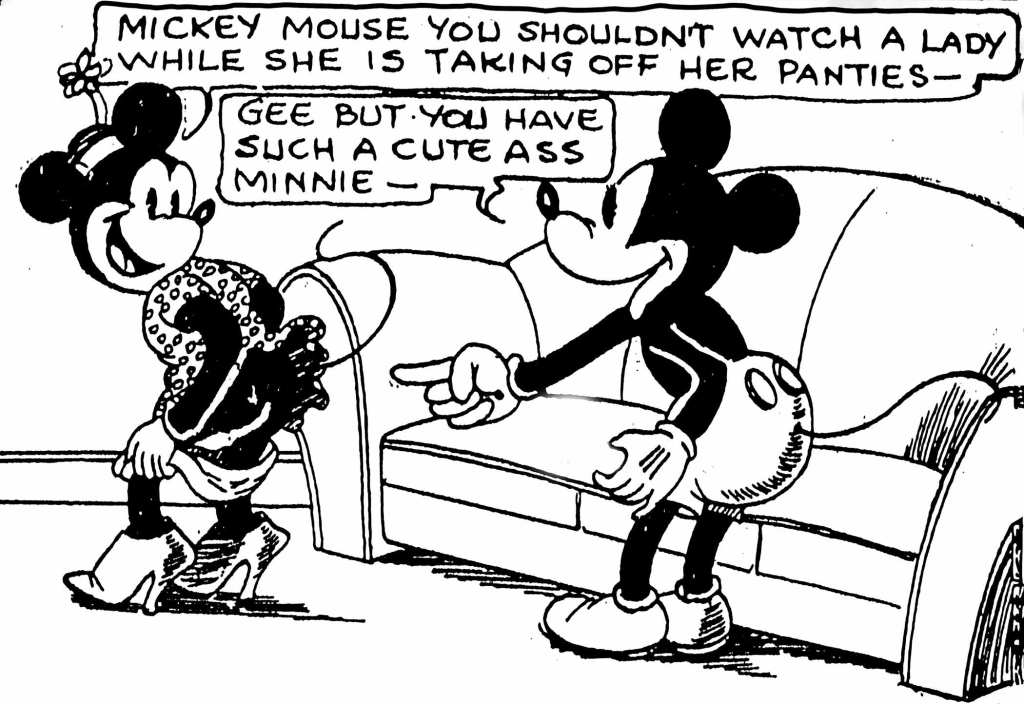
In the grand artistic and cultural evolution scheme, the 1928 versions of Mickey and Minnie Mouse entering the public domain seem significant. However, upon closer examination, it becomes apparent that this transition is unlikely to have the revolutionary impact that some anticipate.
To understand why, we need only look at the history of how creativity has interacted with public domain characters, particularly in the case of dinosaurs.
First, let’s address the primary concern: will Mickey and Minnie’s entry into the public domain unleash a wave of creative and innovative reinterpretations? The short answer is probably not. While it’s true that making these characters freely available for use could, in theory, lead to a surge of outsider creativity, the reality is often quite different. The case of dinosaurs in creative media serves as an instructive example.
Dinosaurs, those magnificent creatures that have captured the imagination of generations, have long been a part of the public domain. Anyone can create a dinosaur-based story, film, or art piece without worrying about copyright infringement.
Yet, despite this freedom, most dinosaur-related content has been, to put it mildly, less than inspiring. Sure, there have been a few standout exceptions, but for the most part, the creative use of dinosaurs has been limited to formulaic storylines and stereotypical representations. Why? Because creativity isn’t just about having access to characters or concepts; it’s about what you do with them.
This brings us back to Mickey and Minnie. These characters are deeply ingrained in the cultural fabric and are closely associated with the Disney brand. While they will be available for public use, it’s unlikely that many creators will venture far from the established portrayals.
Even shocking portrayals will depend on this framing.
The characters carry a legacy and a set of expectations that most creators are likely to adhere to, consciously or not. Moreover, Disney still holds the rights to the later versions of these characters, which means that while the 1928 incarnations are fair game, anything that deviates too significantly from that early depiction could still be subject to copyright claims.
Furthermore, the public’s reception of new takes on these iconic characters is another factor to consider. Audiences have a deep-rooted perception of who Mickey and Minnie are, and drastic deviations from this might not be well-received. This creates a natural barrier to creativity, as creators often aim to produce work that resonates with audiences.
The example of dinosaurs in the creative world illustrates this point clearly. Just as the unrestricted use of dinosaurs hasn’t led to a significant outpouring of innovative content, the same will likely be true for these beloved Disney characters.
So, for those worrying about the potential implications of this event, there’s likely no cause for alarm. The legacy of Mickey and Minnie Mouse, as shaped by Disney, will continue to dominate our cultural understanding of these characters, regardless of their public domain status.

 L.T. Hanlon